By
By 
Choosing an early-years environment is rarely a simple decision. Parents are not only selecting a place for supervision or routine learning. They are deciding how their child will experience structure, language, social interaction, and curiosity during formative years. An international preschool in Singapore represents a distinct category within early childhood education, shaped by global perspectives rather than national frameworks alone. Understanding what truly defines it helps families decide whether it aligns with their values, expectations, and long-term plans.
A Global Curriculum With Local Awareness
An international preschool in Singapore typically operates on recognised international curricula such as IB-inspired frameworks, inquiry-based learning, or play-centred programmes influenced by Western early-years models. Lessons focus less on academic acceleration and more on exploration, communication, and emotional awareness. Children learn through projects, conversations, movement, and structured play rather than rigid worksheets.
Despite the global outlook, these schools still function within Singapore’s broader childcare landscape. Cultural respect, safety standards, and regulatory requirements remain essential. The difference lies in emphasis. Instead of preparing children narrowly for local primary assessments, the learning environment encourages adaptability and confidence across contexts. This approach often appeals to families who value curiosity and independence early on.
Language Exposure as a Daily Experience
Language sits at the heart of any international preschool in Singapore. English usually serves as the primary medium, delivered in a natural and immersive way. Teachers encourage conversation, storytelling, and expression throughout the day. Some settings introduce additional languages gently, without pressure or formal testing.
This environment benefits children who thrive on communication and social interaction. It also supports families who use English at home or expect their child to move between countries or education systems later on. Compared with traditional childcare in Singapore, language development here feels organic rather than instructional, woven into routines instead of separated into lessons.
Teaching Teams With International Perspectives
Another defining feature is the teaching team. Educators often come from diverse professional backgrounds, trained in different countries but aligned by shared early-years philosophies. Classrooms feel collaborative rather than hierarchical. Teachers observe closely, guide gently, and adapt lessons to children’s interests rather than forcing uniform outcomes.
This dynamic shapes classroom energy. Children are encouraged to ask questions, negotiate with peers, and express opinions. For parents accustomed to structured childcare in Singapore, this style may feel refreshingly open, though it does require comfort with less visible metrics of progress.
A Classroom Designed for Exploration
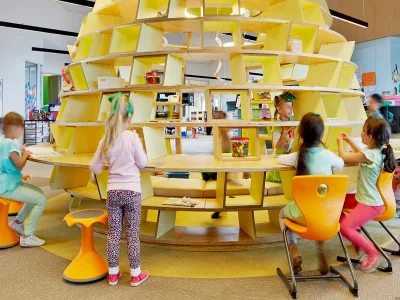
Physical environments matter. An international preschool in Singapore usually prioritises open spaces, flexible seating, natural materials, and activity zones rather than fixed desks. Classrooms change with projects. Art corners expand. Reading areas shift. Outdoor play is treated as part of learning, not a break from it.
Children move freely within clear boundaries, learning self-regulation through experience. This layout suits children who learn best through movement and interaction. It also reassures parents seeking a balanced alternative to academically intense early education.
Who Benefits Most From This Preschool Model
Not every family needs an international preschool in Singapore. This model suits parents who anticipate relocation, cross-border schooling, or international curricula later on. It also fits families prioritising communication skills, emotional intelligence, and creative thinking during early childhood.
Children who enjoy discussion, imaginative play, and flexible routines often settle quickly. Those requiring highly structured instruction may need time to adjust. Compared with conventional childcare in Singapore, progress here looks less linear but often feels deeper and more personal.
Cost, Commitment, and Expectations
International preschools generally involve higher fees, reflecting staffing, curriculum development, and facilities. Parents considering this path should evaluate not only affordability but also alignment with their expectations. These schools work best when families engage actively, communicate openly with educators, and support learning at home through conversation rather than drills.
Clarity matters. When parents understand that success here is measured through confidence, language growth, and social ease, satisfaction follows naturally.
Making the Right Choice With Confidence
An international preschool in Singapore offers a distinct early-learning experience shaped by global thinking and child-centred design. It does not replace local childcare in Singapore, nor does it aim to. Instead, it provides an alternative for families seeking a broader worldview during early development. The decision becomes clearer when parents reflect on their child’s temperament, family lifestyle, and long-term plans.
If you are exploring a private preschool in Singapore that blends international perspectives with a supportive early-years environment, reach out to MapleBear Lavender to discuss how their programme supports confident, curious young learners.