By
By 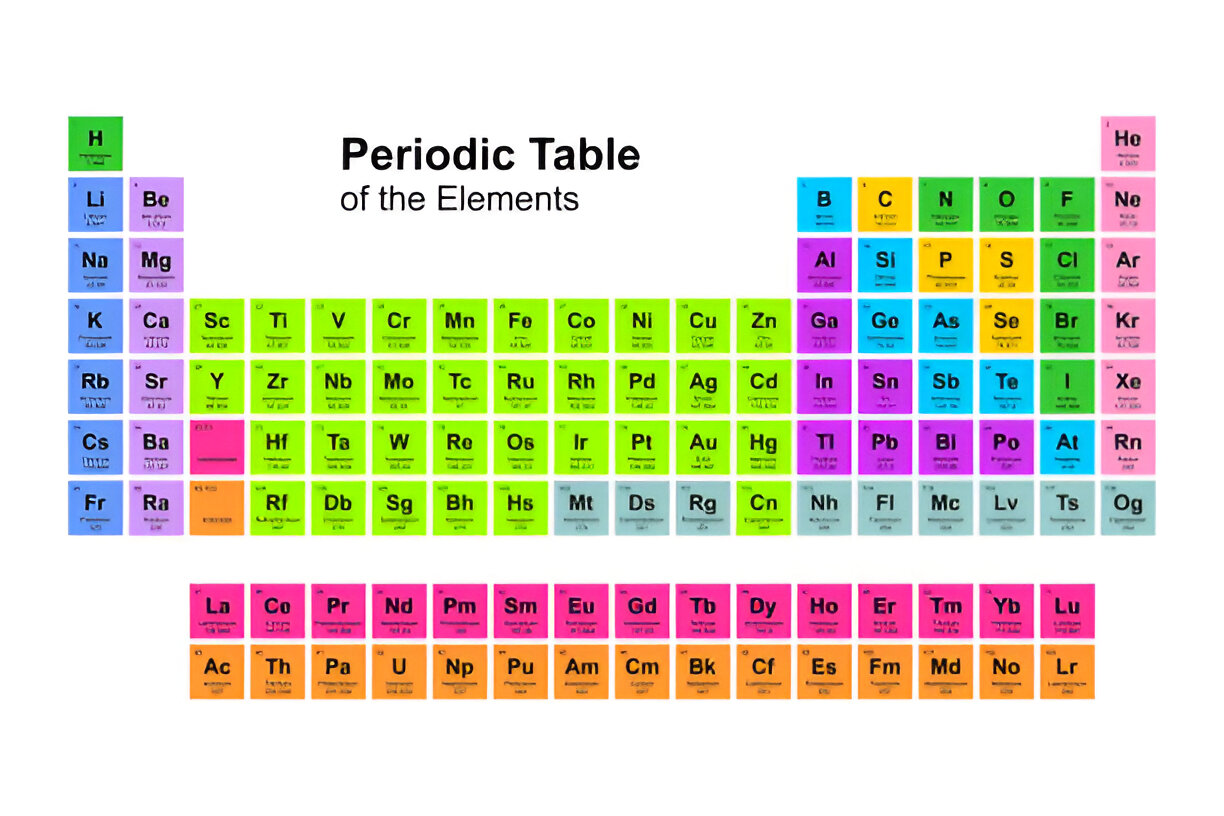
The periodic table is the final cheat sheet of chemistry, and you know, it actually looks like learning a secret code. Why not make it exciting instead of boring lectures?
Think of it as getting into the world of periodic table elementals, where each element is given a personality. A book series such as Magical Elements of the Periodic Table focuses much on making intricate science a form of play, something akin to a game.
Here are five engaging ways to teach the periodic table without putting your students to sleep.
Turn It into a Game
Why can learning not be fun? Games make memorization an interesting challenge; students will be glad to play.
- Element Bingo: Substitute symbols with the element names and shout out properties.
- Periodic Table Battleship: Sink elements of the opponent using coordinates (groups and periods).
- Flashcard Races: Time students to find elements with their uses or properties.
Gamification increases engagement and reduces the burden of repetition.
Bring Elements to Life with Role-Playing
Assign each student an element and let them become its “ambassador.”
They can:
- Wear their element (aluminum foil as Aluminum or a yellow shirt as Sulfur).
- Introduce fun facts, such as Sodium explodes in water, or why Gold does not rust.
- Make dating profiles of elements, with their likes (reactions) and dislikes.
This approach aids students in associating abstract signs with actual-life characters.
Use Tech to Make It Interactive
Screens are not just social media; they are educational power tools.
- Virtual Labs: Simulations allow students to mix up elements safely (no explosions in the classroom!).
- Augmented Reality Apps: Point a phone at a periodic table poster to see 3D atomic models.
- YouTube Songs: They memorize catchy tunes such as The Periodic Table Song by ASAPScience.
Tech supports the theory and visual learning gap when dealing with abstract topics.

Connect Elements to Everyday Life
Students can always connect with something relevant. Tell them how the periodic table already exists in their life:
- Silicon (Si): Their phone works (hello, computer chips!).
- Calcium (Ca): What strengthens their bones (and their milk).
- Carbon (C): It exists in pencils and diamonds alike.
By associating factors with everyday life, it becomes less scary and easily memorable.
Break It Down with Creative Mnemonics
It is so daunting to memorize 118 elements– unless you cheat.
- Acronyms: “Happy Henry Likes Beans, But Could Not Obtain Food” for the initial nine elements (H, He, Li, Be, B, C, N, O, F).
- Color Coding: Mark metal, non-metal, and metalloid in varying colors.
- Storytelling: Write a goofy tale in which things (or phenomena) are characters (such as Oxygen and Hydrogen were rocky until they formed water).
Mnemonics that are the silliest stick better.
Final Tip: Keep It Bite-Sized
Rather than cramming the whole table, focus on small sections:
- Use only Group 1 (alkali metals) or the first 20 elements.
- Introduce some fresh items each week and revise old ones.
- Use spaced repetition – quick reviews over time boost long-term memory.
By interacting with the periodic table, connecting to it, and making it playful, you can turn your old chart into an exploration playground.