By
By 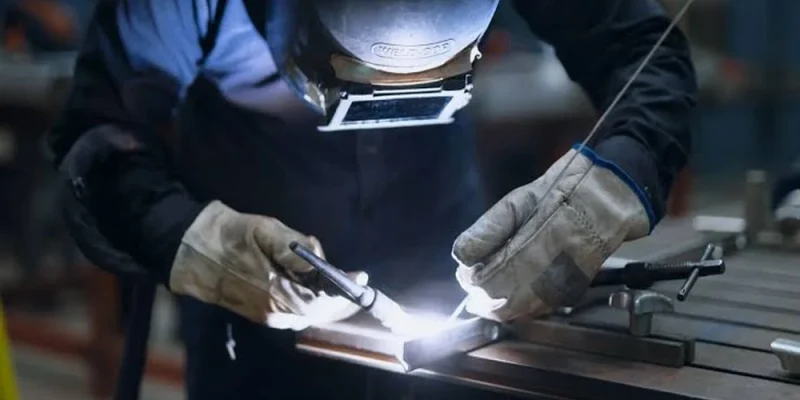
Field-ready control units are designed to support operations in locations where reliable communication, coordination, and decision-making are essential. They are commonly used by emergency response teams, utility providers, construction companies, military organizations, and public safety agencies. The effectiveness of these mobile units depends largely on the quality of their fabrication. Several important factors influence how well a control unit performs in demanding environments. Understanding these considerations helps ensure the final build is durable, practical, and ready for long-term use.
Understanding the practical demands of field operations can help organizations make better fabrication decisions from the beginning. Mobile Command Centers Turn Insights into practical design choices by considering factors such as equipment placement, structural durability, power requirements, communication systems, and operator workflow. Taking these needs into account early helps create a control unit that is easier to use, maintain, transport, and adapt as operational requirements evolve.
Structural Strength
A strong framework is the foundation of every field-ready control unit. The fabricated structure must support workstations, communication equipment, electrical systems, and storage compartments while remaining stable during transportation.
A properly engineered frame also helps protect the unit from vibration, uneven road conditions, and everyday operational stress.
Equipment Requirements
The type and amount of equipment installed directly affect the fabrication process. Computers, communication devices, monitors, generators, batteries, and networking systems each require secure mounting and adequate support.
Planning equipment placement carefully helps:
- Improve weight distribution
- Protect sensitive devices
- Increase operational efficiency
- Simplify maintenance access
Proper positioning also creates a more organized working environment.
Material Selection
Choosing suitable materials is essential for achieving durability and long-term performance. Fabricated components should resist corrosion, withstand changing weather conditions, and remain dependable during frequent transportation.
The selection of materials should consider strength, weight, expected operating conditions, and maintenance requirements.
Interior Space Planning
Available space inside a field-ready control unit is often limited. Efficient fabrication maximizes usable space while maintaining comfortable working conditions for operators.
Well-planned interiors typically include organized storage, practical workstations, and accessible equipment locations that improve workflow during field operations.
Electrical and Communication Systems
Reliable electrical and communication systems are critical for mobile control units. Fabrication should allow sufficient space for wiring, power distribution, networking equipment, and communication devices without creating unnecessary clutter.
Organized system layouts also make inspections, maintenance, and future upgrades more manageable.
Safety Features
Safety should be incorporated into every stage of the fabrication process. Reinforced equipment mounts, secure storage systems, stable work surfaces, and properly managed electrical wiring all contribute to a safer workspace.
Important safety considerations include:
- Secure equipment installation
- Reliable electrical protection
- Emergency access points
- Slip-resistant flooring
These features help support safe daily operations in a variety of environments.
Adaptability for Future Needs
Operational requirements often change as technology advances. Designing the control unit with flexibility in mind makes future equipment upgrades and layout modifications easier to complete.
A fabrication plan that allows expansion helps extend the useful life of the mobile unit while reducing future renovation costs.
Quality of Fabrication
The overall reliability of a field-ready control unit depends greatly on the quality of its fabrication. Accurate measurements, strong structural connections, and careful workmanship contribute to dependable long-term performance.
Working with experienced fabrication professionals also helps ensure that the completed unit meets operational requirements and performs reliably under demanding conditions.