By
By 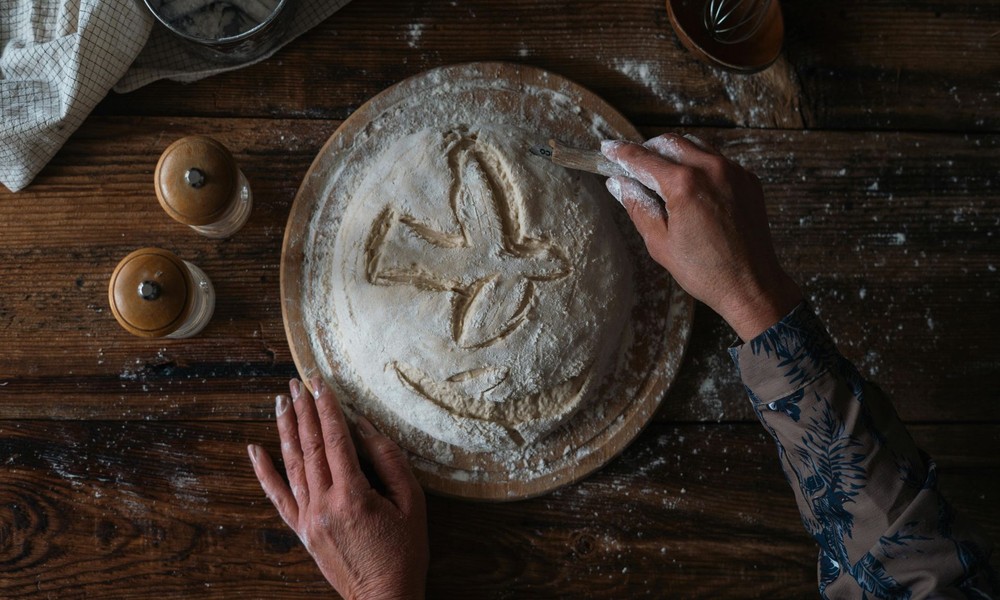
A baking course in Singapore is a structured training programme designed to teach practical baking skills, from foundational techniques to specialised methods. These courses are offered by training providers, culinary schools, and continuing education institutions, catering to both beginners and individuals seeking professional development.
In Singapore, baking courses are often aligned with industry standards, combining hands-on practice with theoretical knowledge. Choosing the right course depends on learning goals, skill level, and preferred baking focus, such as bread making, pastry, or cake decoration.
What Is a Baking Course and What Does It Cover?
A baking course is a formal learning programme that teaches the preparation of baked goods using standardised techniques and recipes. It typically combines demonstrations, guided practice, and assessments to ensure competency.
In Singapore, most baking courses include both foundational knowledge and applied skills. Participants are introduced to ingredient functions, baking equipment, and safety practices before progressing to actual baking tasks.
Common topics covered include:
- Dough preparation and fermentation techniques
- Measuring and handling ingredients accurately
- Oven management and baking temperatures
- Basic recipes such as bread, cakes, and pastries
Some courses also include hygiene and food safety components, especially those aligned with workforce training standards.
Types of Baking Courses Available in Singapore
Baking courses in Singapore are structured to suit different learning needs and experience levels. Understanding the types available helps in selecting a suitable programme.
The main categories include:
- Beginner baking courses – Focus on basic techniques such as mixing, kneading, and baking simple recipes
- Intermediate courses – Introduce more complex recipes and methods, including enriched doughs and layered pastries
- Specialised courses – Concentrate on specific areas such as artisan bread, cake decoration, or pastry making
- Workforce Skills Qualifications (WSQ) courses – Structured programmes aligned with national skills frameworks
Each type varies in duration, depth, and assessment requirements, making it important to match the course with personal objectives.
Key Skills Learned in a Baking Course
A baking course develops both technical and practical skills required for consistent results in baking. These skills are applicable in both home and professional kitchen settings.
Participants typically learn:
- Ingredient measurement and recipe scaling
- Dough handling and proofing techniques
- Baking timing and temperature control
- Basic troubleshooting for common baking issues
In structured programmes, learners also gain familiarity with kitchen workflow and hygiene practices, which are essential in Singapore’s regulated food environment.
Focus on Bread Making Courses
Bread making courses are a specific type of baking course that emphasises the preparation of different bread varieties. These courses are relevant for learners interested in mastering fermentation and dough development.
In Singapore, bread making programmes often focus on practical skills such as:
- Preparing basic bread doughs using yeast
- Understanding fermentation timing and conditions
- Shaping and scoring techniques
- Baking methods for consistent texture and crust
A basic bread making course typically introduces simple recipes before progressing to more advanced variations. This aligns with structured learning paths used in professional training environments.
Who Should Take a Baking Course?
A baking course is suitable for individuals with varying levels of experience, depending on the course structure and objectives.
These courses are generally appropriate for:
- Beginners who want structured guidance instead of self-learning
- Hobby bakers aiming to improve consistency and technique
- Individuals exploring career pathways in baking or food services
- Professionals seeking formal certification or skills upgrading
In Singapore, many courses are designed to accommodate adult learners, including those balancing work and training.
How to Choose the Right Baking Course in Singapore
Choosing the right baking course involves evaluating several practical factors to ensure alignment with learning goals. A clear comparison helps avoid mismatched expectations.
Key considerations include:
- Skill level: Select beginner, intermediate, or advanced courses based on prior experience
- Course focus: Choose between general baking or specialised areas such as bread or pastry
- Training format: Consider whether the course is hands-on, demonstration-based, or blended
- Certification: Check if the course provides recognised certification or assessment
A structured evaluation of these factors helps identify programmes that match both learning objectives and practical constraints.
Course Formats and Learning Structure
Baking courses in Singapore are delivered in different formats depending on the provider and target audience. Each format affects how skills are taught and retained.
Common formats include:
- Short workshops lasting a few hours or days
- Modular courses spread over several sessions
- Full certification programmes with assessments
Hands-on training is a core component of most baking courses, allowing learners to apply techniques immediately. This approach supports skill retention and practical understanding.
Comparison of Baking Course Types
| Course Type | Skill Level | Focus Area | Typical Outcome |
| Beginner Course | No experience | Basic techniques | Foundational baking skills |
| Intermediate Course | Some experience | Advanced recipes | Improved consistency and complexity |
| Specialised Course | Varies | Bread, pastry, or cakes | Focused skill development |
| WSQ Programme | Structured | Industry standards | Certification and workplace readiness |
This comparison highlights how course type influences both learning depth and outcomes.
Importance of Structured Training in Singapore
Structured baking courses in Singapore follow defined training standards to ensure consistency and safety. These standards are important in both educational and professional contexts.
Courses often incorporate:
- Food hygiene and safety practices
- Standardised recipes and procedures
- Assessment criteria for skill evaluation
This structured approach ensures that learners acquire skills that are applicable in real-world environments, particularly in regulated food industries.
Learning Environment and Equipment
The learning environment plays a significant role in the effectiveness of a baking course. Most training providers in Singapore use professional or semi-professional kitchen setups.
Learners are typically exposed to:
- Commercial baking equipment such as mixers and ovens
- Standard kitchen tools for measuring and preparation
- Controlled environments for fermentation and baking
Access to proper equipment helps learners understand industry practices and improves practical competence.
Frequently Asked Questions
What is the duration of a baking course in Singapore?
The duration varies depending on the course type. Short workshops may last a few hours, while structured programmes can span several days or weeks. The length typically reflects the depth of content and level of assessment.
Do I need prior experience to join a baking course?
Most beginner baking courses do not require prior experience. These courses start with fundamental techniques and gradually introduce more complex skills. Intermediate and specialised courses may require basic knowledge.
Are baking courses in Singapore hands-on?
Yes, most baking courses include hands-on training as a core component. Practical sessions allow learners to apply techniques under supervision. This approach supports skill development and confidence.
What is the difference between a baking course and a bread making course?
A baking course covers a wide range of baked goods, including cakes, pastries, and bread. A bread making course focuses specifically on dough preparation, fermentation, and baking bread varieties.
Can baking skills be used for professional purposes?
Yes, structured baking courses provide skills that can be applied in professional settings. Some courses also offer certification aligned with industry standards, supporting career development in food services.
Final Thoughts on Choosing the Right Baking Course
A baking course in Singapore provides structured training that supports the development of practical skills across different areas of baking. By understanding course types, formats, and learning outcomes, individuals can select programmes that align with their goals, whether for personal interest or professional development.
For those looking to build confidence and consistency in baking, choosing a well-structured course ensures a clear progression from foundational techniques to more specialised skills.
Find a baking course that matches your goals and start developing practical skills in a structured learning environment.