By
By 
How multi-age learning environments support collaboration, leadership, and deeper academic growth.
One of the most distinctive characteristics of Montessori education is the use of mixed-age classrooms. Unlike traditional schools where children are typically grouped strictly by birth year, Montessori classrooms intentionally bring together students across a range of ages, often spanning three years.
At first glance, this approach may seem unusual. However, mixed-age learning environments are one of the core elements of the Montessori philosophy. They are designed to mirror real-life communities where people of different ages learn from one another, collaborate, and grow together.
At KV Montessori, classrooms are thoughtfully structured to allow children to interact with peers who are both younger and older. This dynamic environment supports academic growth, social development, and confidence while fostering a strong sense of community among students.
The Montessori Philosophy Behind Mixed-Age Learning
Maria Montessori believed that children learn best in environments that reflect natural social structures. In everyday life, people interact with individuals of many different ages. Families, workplaces, and communities all include a range of experiences and perspectives.
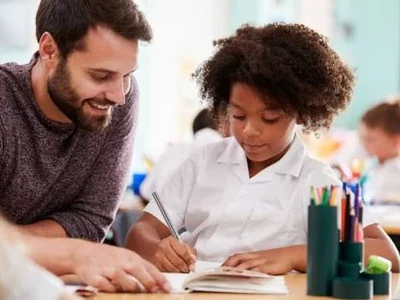
Montessori classrooms replicate this natural environment by grouping students into multi-age learning communities. Younger students observe and learn from older classmates, while older students reinforce their own knowledge by guiding and assisting younger peers.
This approach encourages cooperation rather than competition and helps students develop important interpersonal skills.
“Mixed-age classrooms allow children to learn from one another while building confidence, leadership, and empathy.”
Younger Students Learn Through Observation
One of the greatest benefits of mixed-age classrooms is the opportunity for younger students to observe older peers engaging in more advanced work.
Observation is a powerful learning tool in Montessori education. Younger children naturally watch how older students approach activities, solve problems, and interact with classroom materials. This exposure often inspires curiosity and motivates younger students to explore new concepts as they become ready.
Instead of feeling pressured to perform at the same level as everyone else, younger students progress at their own pace. They can gradually build skills and confidence as they observe more experienced classmates.
Over time, this natural learning process helps children develop independence and a genuine love for learning.
Older Students Develop Leadership Skills
Mixed-age classrooms also offer significant benefits for older students.
When older children assist younger classmates, they reinforce their own understanding of concepts. Teaching others requires students to organize their knowledge, explain ideas clearly, and demonstrate patience.
These experiences help older students develop leadership abilities and confidence in their academic skills.
Additionally, acting as mentors allows older children to cultivate empathy and responsibility. They learn how to support others and contribute positively to the classroom community.
This mentorship dynamic creates an environment where learning becomes collaborative rather than competitive.
“Older students strengthen their knowledge by helping younger classmates succeed.”
A Natural Progression of Learning
In Montessori classrooms, students typically remain in the same learning community for several years. This continuity allows them to grow within a stable environment where they feel comfortable and supported.
During the first year, a child often enters the classroom as one of the youngest members, observing and learning from older peers. As time progresses, the student gradually becomes more experienced and confident.
By the final year of the cycle, the child often takes on a leadership role, guiding younger students and helping maintain the classroom culture.
This progression helps children develop a strong sense of belonging and pride in their learning journey.
Instead of starting over with a new group each year, students build long-term relationships with classmates and teachers, which supports emotional security and academic growth.
Encouraging Collaboration Instead of Competition
Traditional classrooms sometimes create environments where students compare themselves to others in the same grade level. This can lead to unnecessary pressure or competition.
Mixed-age Montessori classrooms shift the focus toward collaboration and personal progress. Because students are working at different levels and following individualized learning paths, comparisons are less common.
Each child can focus on their own development while still contributing to the success of the group.
This cooperative environment promotes mutual respect and encourages children to celebrate each other’s achievements rather than competing against one another.
Students learn that success is not limited to individual accomplishments but also includes helping others grow.
Supporting Social and Emotional Development
Beyond academic learning, mixed-age classrooms provide important opportunities for social development.
Younger children often feel supported and inspired by older peers, while older students gain confidence as they mentor and guide others.
This dynamic encourages kindness, patience, and communication skills. Students learn how to work with individuals who have different abilities and perspectives.
These experiences help children develop emotional intelligence, which plays an important role in building healthy relationships both inside and outside the classroom.
The strong sense of community created by mixed-age classrooms often leads to deeper friendships and a supportive learning atmosphere.
Why Parents Value the Montessori Approach
Montessori education attracts many families due to its provision of a learning environment that fosters independence, collaboration, and personal growth.
Mixed-age classrooms play a key role in achieving these outcomes. By allowing students to learn from one another and develop leadership skills, Montessori education fosters confidence and curiosity.
KV Montessori carefully designs its classrooms to support this collaborative learning model. Teachers guide students through individualized learning experiences while encouraging cooperation and mutual respect among classmates.
This approach helps children develop strong academic foundations while also cultivating the social and emotional skills they need for lifelong success.
If you would like to see how mixed-age classrooms support learning and collaboration, consider scheduling a tour at KV Montessori. Visiting the school can help families better understand how the Montessori environment nurtures independence and confidence in young learners.