By
By 
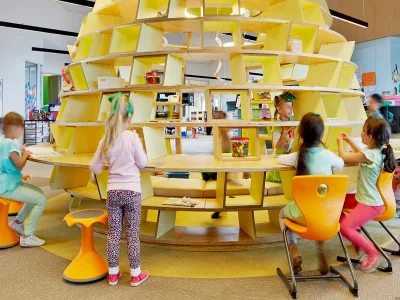
Young learners flourish when surrounded by elements that gently guide their attention. Each carefully arranged detail supports their attempts to understand new ideas with growing assurance. Children often connect effortlessly with thoughtful surroundings, much like the way childcare cairns environments highlight purposeful engagement. These early impressions shape how they respond to challenges and small discoveries across each stage.
How Do Intentional Play Settings Build Early Confidence?
Children notice patterns through repeated experiences, forming a quiet understanding of how objects relate to each other. They gain assurance as familiar features encourage them to handle new tasks with steady interest. Predictable arrangements allow them to explore freely without hesitation, establishing a dependable sense of capability. This gradual comfort becomes a foundation for more complex interactions as they mature.
Creating Spaces That Invite Curious Discovery
Design choices influence how children interpret small prompts within a shared space. When these elements work together, the entire area begins inviting exploration naturally.
Engaging Corners Support Early Interaction
- Subtle lighting encourages calm focused moments
- Soft textures add gentle tactile variety
- Clear paths help guide steady movement
Material Variety Shapes Thoughtful Exploration
- Natural objects inspire careful investigation
- Lightweight pieces allow flexible movement
- Simple tools encourage repeated experimentation
Two elements working together can shift a child’s willingness to try something unfamiliar. Thoughtfully arranged micro-zones soon create a rhythm that supports consistent curiosity across different parts of the room.
What Makes Guided Play Moments So Effective?
Children respond positively when adults introduce ideas with a gentle touch. Clear steps help them decode simple tasks, while flexible pacing lets them absorb meaning at their own speed. This supportive blend shows them how each action leads to another, helping them feel secure during new challenges. Over time, these moments become reliable anchors for more confident engagement.
Flexible Layouts That Support Ongoing Development
Every shift in room structure can subtly shape how children approach their surroundings. These adaptable areas often reflect the balanced approach found in childcare cairns, encouraging gentle progress through exploration. When layouts respond to evolving interests, children begin to trust their ability to navigate choices independently. Their growing comfort becomes an unseen pathway toward deeper understanding.
Responsive Zones Encourage Steady Engagement
- Adjustable shelving supports changing needs
- Movable mats create evolving boundaries
- Soft dividers redirect activity flow
Transitions Strengthen Expanding Curiosity
- Smooth shifts maintain focused attention
- Familiar cues reduce hesitation between tasks
- Predictable markers guide returning movement
When children observe subtle changes around them, they begin linking personal actions with meaningful outcomes. Each small success deepens their willingness to try new scenarios with clearer understanding.
Can Children Feel More Assured In These Settings?
Yes, because predictable surroundings help them trust their own decisions. A steady environment reduces uncertainty, giving children a chance to interpret challenges with greater ease. Over time, this sense of control encourages them to experiment with ideas they might previously have ignored. Their rising confidence becomes visible through small choices that reflect growing emotional steadiness.
Moments That Quietly Strengthen Growing Minds
Supportive environments are shaped through small, consistent choices that gradually influence how children perceive themselves. Each interaction builds a subtle thread connecting earlier experiences with fresh discoveries. As children interpret gently guided cues, they carry these impressions into later stages with expanding confidence. These early moments form a quiet but lasting influence on their developing abilities.